
Every few years, a new standard launches with the promise of fixing fragmentation. Yet the industry still ends up with multiple systems, multiple identifiers, and multiple versions of the truth.
A useful parallel exists in aviation, where standards aren’t optional — they’re existential. Alignment is mandatory because the cost of inconsistency is measured in lives. Logistics doesn’t have that same forcing function, but it carries comparable complexity and an equally urgent need for interoperability.
Across standards bodies and technology ecosystems, one pattern is clear: standards succeed when they create a single source of truth, and they stall when they add yet another layer to an already fragmented landscape. With development moving faster than ever — modular, API driven, increasingly no code — logistics needs a new foundation built for interoperability from the start.
ISO 8000 119: The Transport Unit Identifier (TUID)
For the first time, the industry has a standard capable of tracking a shipment from the moment it’s authorized to the moment it’s delivered and archived.
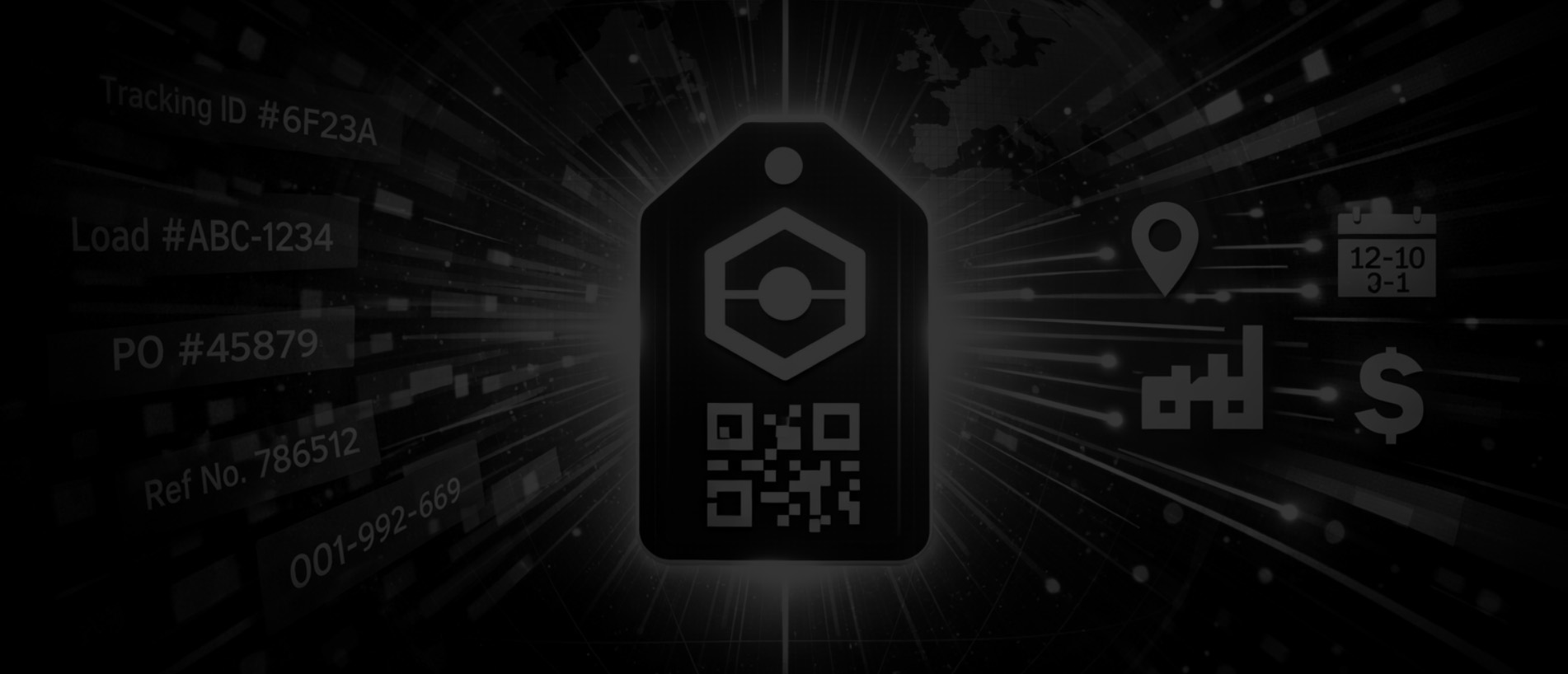
A TUID is a single, universal digital identity for a load.
Not nine identifiers. Not nineteen. One.
It can encode:
- shipment date
- origin/destination (including vertical location)
- registered business number
- transaction references like PO numbers
Paired with ASTM F3682, it enables end to end tracking of every state change in the goods movement process.
Why This Changes Everything
Before TUIDs, identifiers only appeared after a load was built and a carrier booked. That created a blind spot during the negotiation phase — the stage where most errors, ghost loads, and mismatches originate.
A TUID closes that gap and enables:
- faster, more accurate load matchin
- better visibility for shippers, carriers, and brokers
- elimination of ghost data
- true interoperability across platforms
It’s the logistics equivalent of an airline confirmation code — one reference everyone uses, across every system.
Where Farelanes Fits In
At Farelanes, we’ve been preparing for this shift long before ISO 8000 119 was finalized.
Our platform was built around the belief that the industry needs:
- a single source of truth for every load
- clean, structured, interoperable data
- automation that works across systems, not inside silos
TUID adoption doesn’t require us to rethink our architecture — it validates it.
Farelanes is already aligned with the principles behind ISO 8000 119, and we’re actively participating in the standards work because we believe the future of logistics depends on shared identifiers, shared definitions, and shared visibility.
The Future Is Interoperable
Interoperability isn’t optional anymore. It’s the next era of logistics — and it’s arriving faster than most expect.
If you want to help shape that future, get involved:
Join ASTM. Join ISO. Join ECCMA.
This industry needs more people who choose to make things happen.